


Defining what an Organic Leader is, and what isn’t
Some of the characteristics are:
As Mateo put it: “An organic leader is somebody who others lean on. Someone people depend on.”

How to Spot Them
You can’t ID these leaders from the outside of a community. If you’re not rooted in the place you’re trying to build power in, you won’t know who’s really leading.
How to Recruit Them
The order of operations: talk to lots of people first, learn everything you can, then make the ask. Expect it to be tough, organic leaders often get things done on their own. Make the case that real change happens when we act together.
Practice with Profiles
We broke into teams with a tenant campaign scenario and had to identify the organic leaders and decide who to recruit—and in what order. This is a helpful exercise to try before sending folks out into the field!

Key takeaways
Organizers have limited time and resources. If we spend out time on folks who aren’t as influential, the base won’t grow. That doesn’t mean there isn’t a role for everyone—there absolutely is. Almost everyone has a place in the movement, except for OPPS! But if the work doesn’t scale, no one wins. Focus on the ones who can move others, and we all scale together.
Find the organic leaders, make those choices, and everyone wins. As Rachel put it: “If we spend time with the easiest people, the tenant union doesn’t form. Find the organic leaders and build mass power.”
Our job as organizers is to find them, recruit them with intention, and build power that wins real change.

Why should organizers research?
Research gives us the information we need to understand power, where it lies, and how to build it.
Power is the ability to make wins and implement change, even when there’s opposition. For us, the true definition of power is not how many people you can control, but the ability to define our own destiny.
There are different kinds of power, and knowing them helps us figure out where we stand and where we need to grow:
Power has a dual character:
1: the ability to find and understand the world around us, and factors that control our daily lives.
2: the ability to be able to change and act the situations we live in a desired manner, in a manner that will collectively benefit all of us. Research gives us the first so we can do the second.
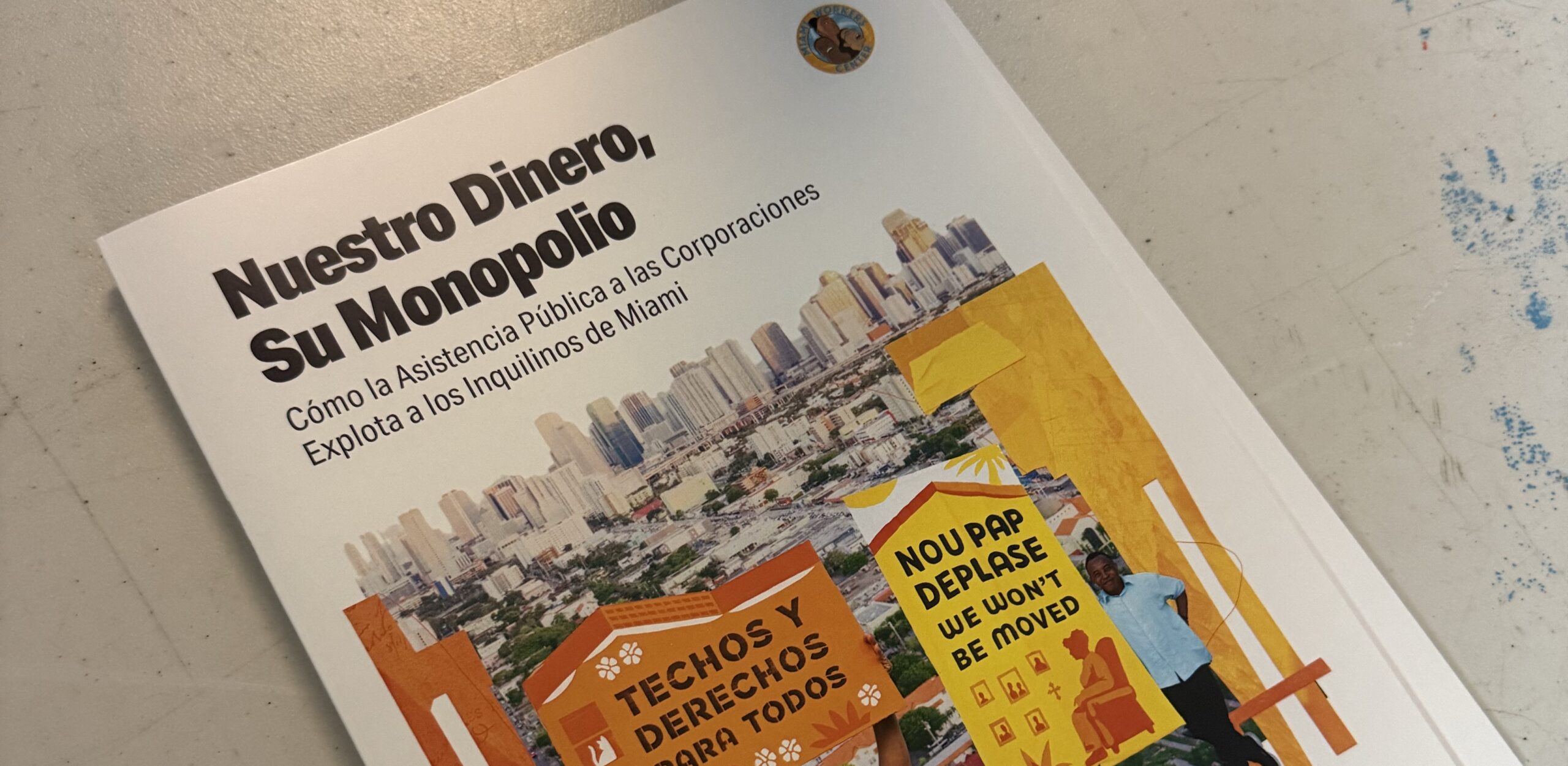
Research…increases our leverage.
There are people in power acting in ways that don’t serve the needs of our communities. By knowing what they care about, and what power we have to pressure them, we can skew things in our favor. We’re looking for what would actually move them.
That usually lives in a few places:
Leverage: the advantage to influence the other side and steer outcomes our way.
Leverage matters, but power is the goal. We are working towards the ability to implement the changes we want, instead of constantly pushing others to do it for us.
We love this quote by Kwame Ture, who put it best:
“The liberal fights for influence to bring about change, not for the power to implement the change. If one really wants to change a society… they must fight for power and not for influence.”
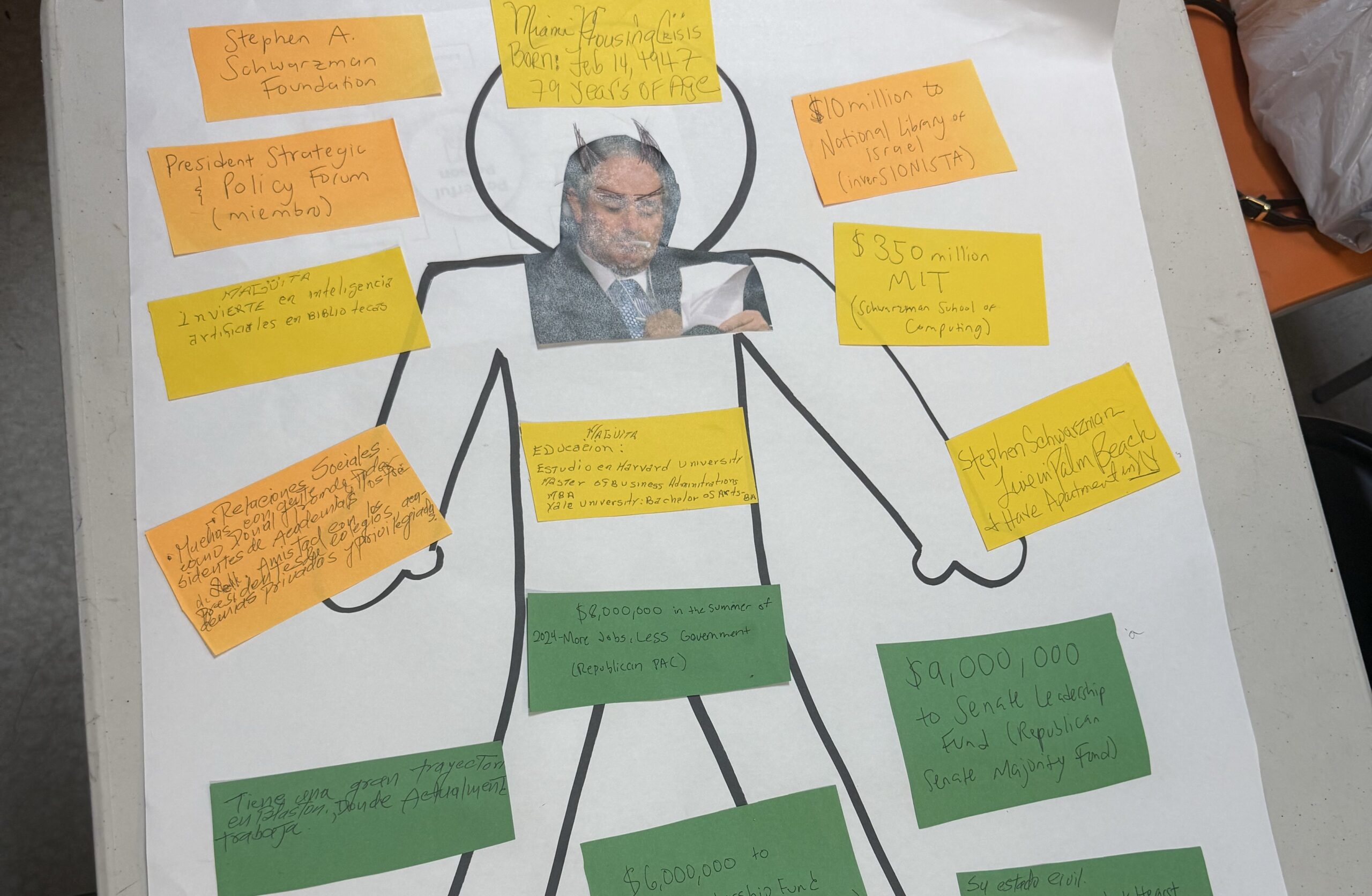
When we research targets, we’re looking for pressure points, but also for what we can build. Landlord example: where does his money come from, and can that info help us organize a tenant union or educate people on their rights? Research helps us get ready to act.

Research helps us understand our landscape, but shouldn’t limit what we believe is possible. We study what is so we can imagine what could be. What structures can we build that haven’t existed yet?
“We have to study the past, not to return to it, but to find the laws of its development so that we can construct the future.”
— CLR James
Research…builds local, collective knowledge.
It isn’t just desk work, it’s talking to people, listening to their experiences, and piecing together what’s really going on. Lived experience is real data (this is the foundation of Participatory Action Research) and combined with factual info gives us leverage, strategy, and a vision for what could be.

Research…helps us inoculate others.
A big part of organizing is preparing people to fight, letting them know up front what the worst case looks like so they’re not blindsided, not easily dissuaded, and not fooled by the opposition’s lies.
it helps us figure out what the target will say to delegitimize us, what misinformation they’ll spread, and what the repercussions might be. So when they come at us, we’re ready.
Key Takeaways:
Research is a key step on the road to building power, and it’s not just for experts. We all need to be practicing it!
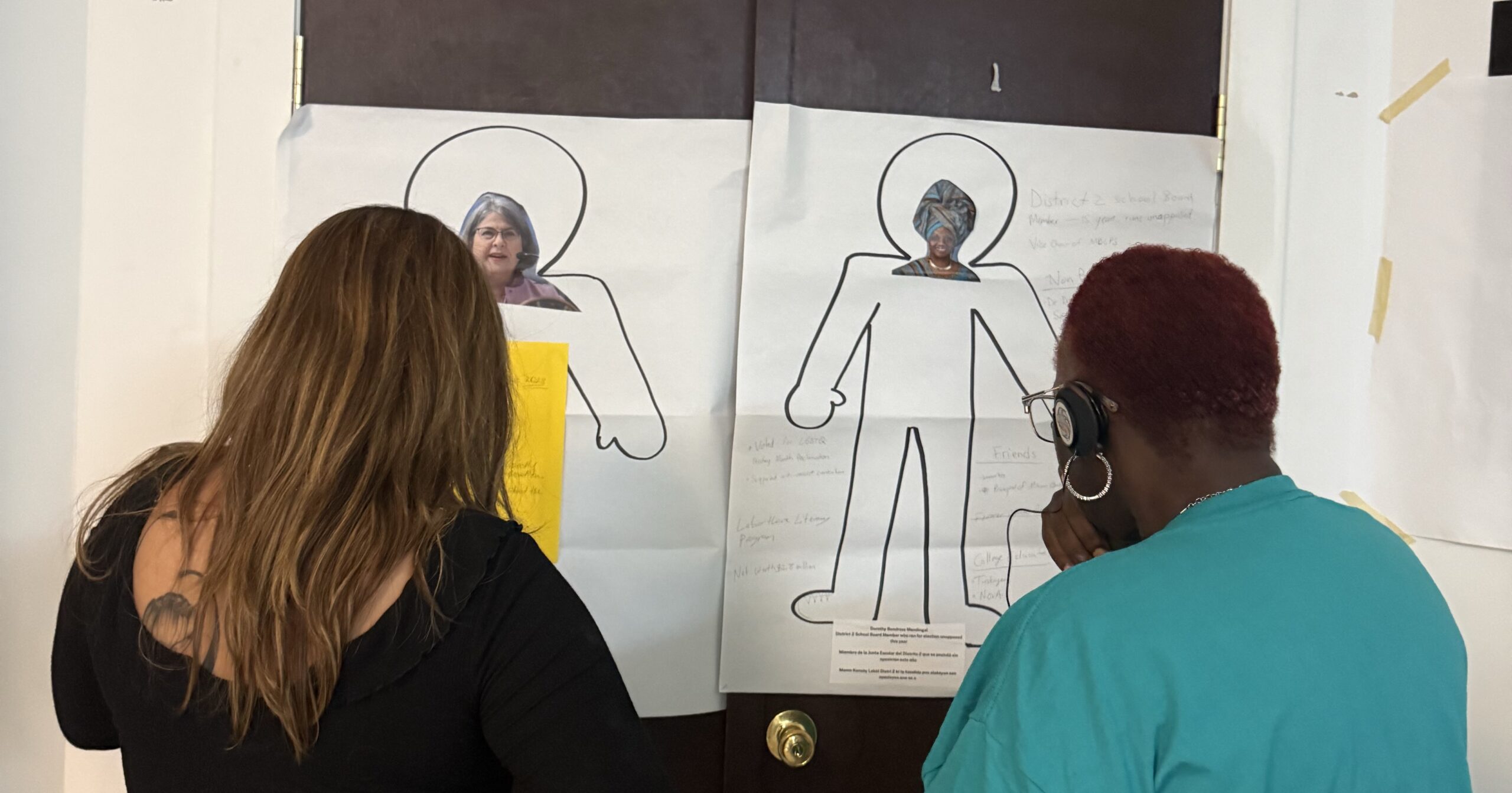
Who’s got the power?
Now that we know what power is and how it works, we warmed up our muscles by doing a practice scenario: In a corporate landlord tenant building, we need to identify what three potential demands are, who has the power to deliver those demands, and what kind of pressure could we apply on the person that can deliver those demands?
Swift repairs for unsafe conditions like mold or broken AC’s and caps on rent increases are some common demands that folks named. Now, who has the power to deliver those demands?
Could it be the property manager? Not quite! It’s true that the property manager interacts with the tenants everyday, but they’re really just an employee of the owner – if they’re doing a bad job, it’s because they were hired to do so.
They don’t cut the budget that determines if things get fixed in the building now. The real target is the owner that makes these decisions.
Key Tip: Try applying this practice scenario to different kinds of sites to build target ID muscle!
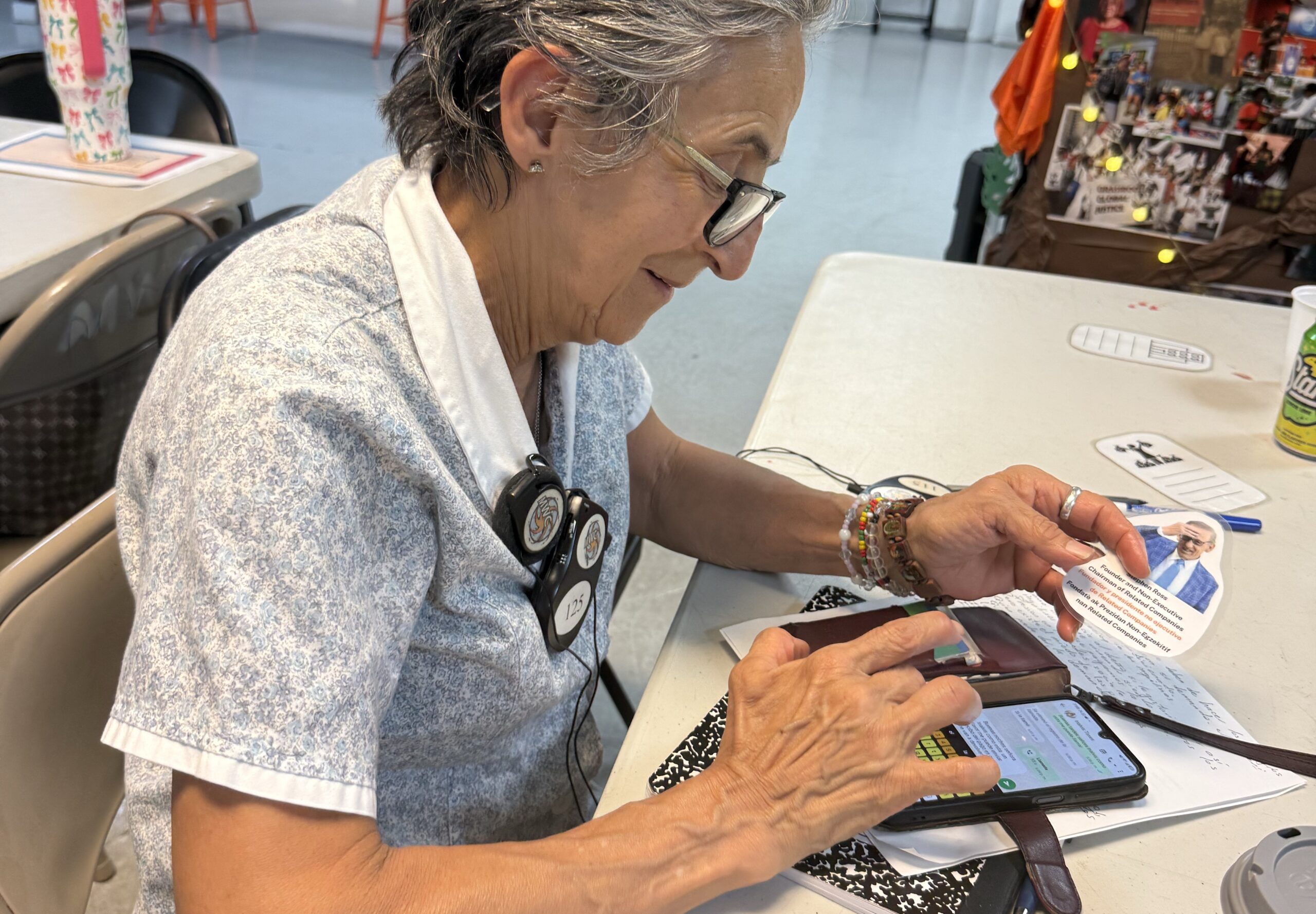
Different Kinds of Research and How to Plan
There’s the information you can find online like public records, documents, and corporate profiles. Then there’s the data you can only get from listening to people’s lived experiences. These two approaches to research work in tandem with each other.
Corporate Research, or “desk” research is important for gathering corporate profiles and identifying points of leverage. Jandrick with Beyond the Bars walked us through a case study of a research plan he developed to map out the South Florida Construction landscape in order to identify issues, demands, and targets for a campaign led by temp workers.
Part of the case study was also understanding how desk research, in tandem with PAR (temp workers directly affected by the issues addressed by the campaign are part of the research team) helped increase opportunities to build power. Surveillance at larger construction projects is serious, and so when showing up to talk to workers and collect information, going in a larger group increases our ability to connect with workers, collect data, and scale the campaign.
It also helps us build power by conveying that there is shared struggle! If workers being affected by an issue are the ones conducting the research, they can connect with fellow workers who may be feeling isolated and bring them into the work. We are conditioned to think that the issues we experience are unique to us and our fault, when really they’re systemic problems.
Collecting and sharing information through PAR helps us find more people who are affected, allowing for more organizing and building new power. It also allows us to collect information we may not be able to find online or in a book. People’s lived experience is real data!
ID’ing Your Target
It’s not always who you think. Sometimes the person you interact with every day isn’t the one cutting the budget or making the decisions.
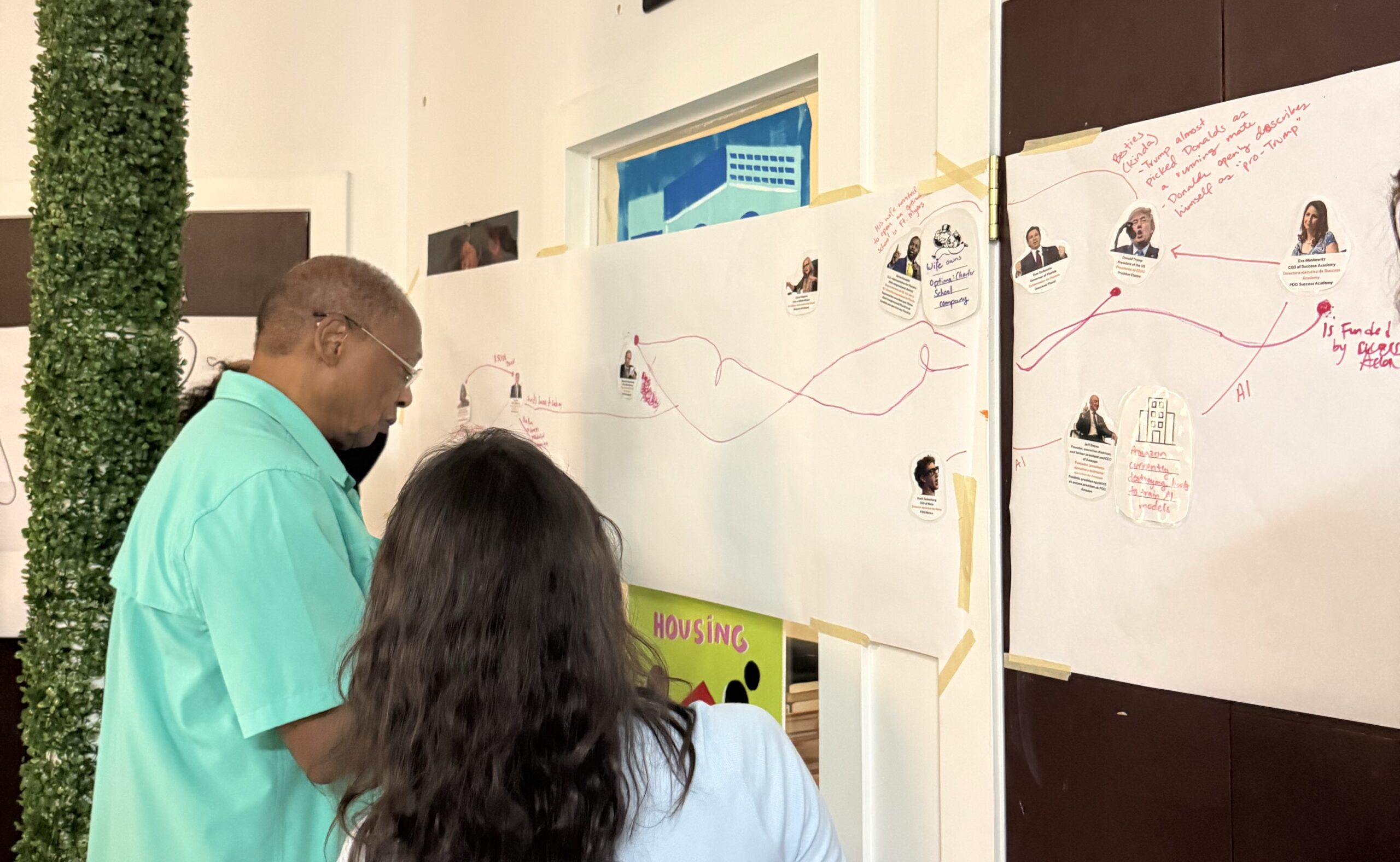
Like Gregory said, we have to follow the money trail! He shared that he learned there’s lots of money shaping and influencing our lives. We gotta keep track of where the money is, identify targets, apply pressure to move them to deliver our demands, and build people power.